Step-by-Step Instructions for Real Estate Investment in Ghana
Complete Guide: Buying Property in Ghana - Crucial Tips and Guidance for Home Purchasers
Purchasing a home in Ghana necessitates thorough planning and awareness of the local real estate landscape. Prospective buyers must evaluate numerous factors, including budget, property searches, and legal obligations. Engaging with real estate professionals can simplify the process. However, many neglect crucial aspects of due diligence that could affect their investment. Comprehending these subtleties can make all the difference in a successful transaction. What essential steps should every buyer be aware of?
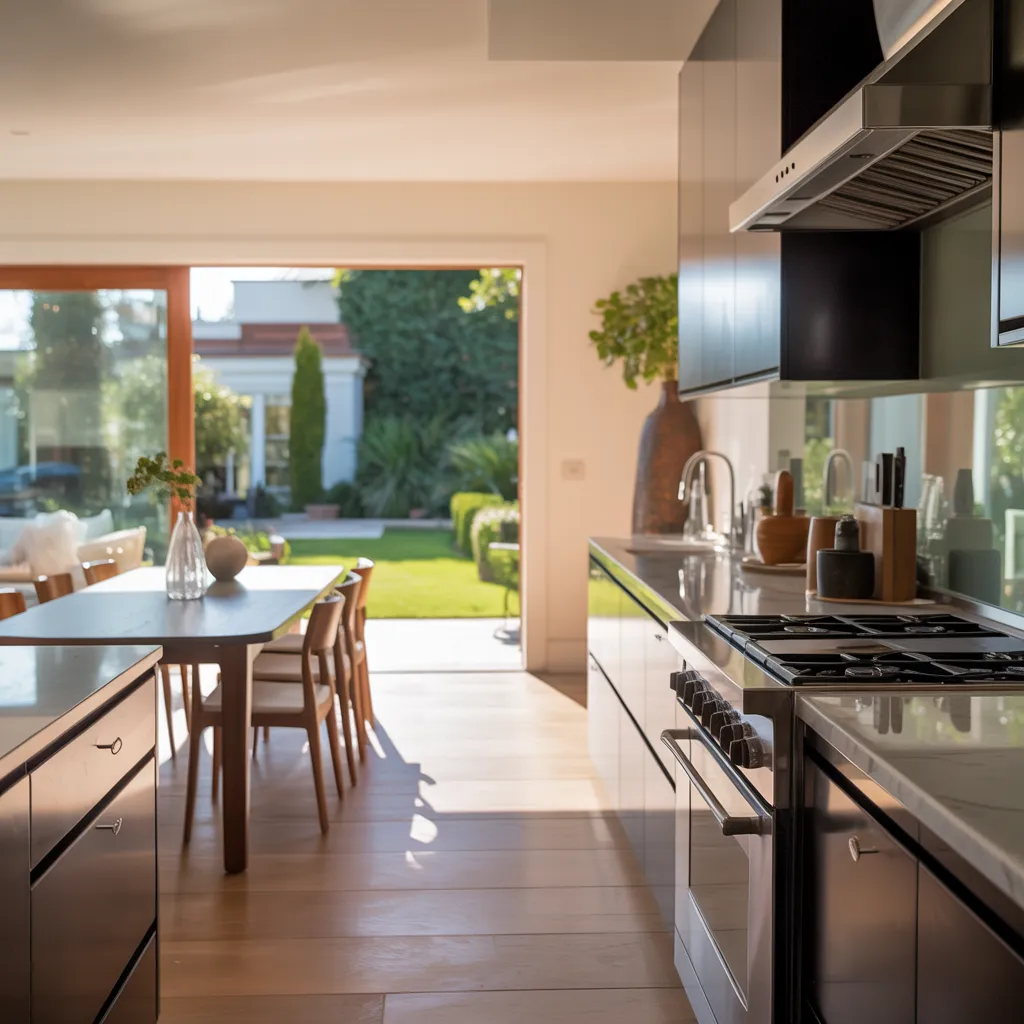
Comprehending the Ghana Real Estate Market
The Ghanaian real estate market presents a dynamic environment shaped by various economic and social factors. Rapid urbanization and population growth have notably increased the demand for housing, especially in key urban centers such as Accra and Kumasi. Additionally, a growing middle class has fostered a shift in consumer preferences towards modern amenities and gated communities. The market is characterized by a mix of traditional and contemporary housing options, serving varied purchaser requirements.
Overseas investment has similarly performed an essential function, with expatriates seeking properties in sought-after neighborhoods. Nevertheless, potential buyers must navigate challenges such as changing home values and varying levels of infrastructure development. Legal structures may be intricate, often requiring due diligence to secure compliance. Overall, grasping the subtleties of the Ghanaian real estate landscape is critical for future real estate investors, furnishing them with the insight to make well-educated choices in this thriving sector.
Establishing Your Budget and Funding Choices
Navigating the Ghanaian real estate market requires a clear understanding of financial boundaries and financing options. Homebuyers must first examine their financial situation, considering income, savings, and any existing debts. Setting a realistic budget is crucial, as it will determine the price range for potential properties.
Financing alternatives in Ghana include standard bank financing, which typically require a down payment of 10-30%. Additionally, some buyers may consider microfinance institutions or cooperative societies that offer more adaptable terms.
It's crucial to understand the rate of interest and terms linked to these loans, as they can significantly influence the complete cost of obtaining a home. Homebuyers should also explore government property initiatives or schemes that could offer assistance. Finally, a carefully planned budget and well-researched financing selections can pave the way for a successful home purchase in Ghana.
Hunting for Your Ideal Property
When potential home purchasers navigate the journey of finding their perfect property in Ghana, they need to evaluate multiple elements that match their requirements and desires. First, location plays a vital role; it influences daily commutes, access to amenities, and overall lifestyle. Metropolitan regions may present data practicality, while village surroundings can offer serenity.
After this, potential buyers should assess property types, including individual family dwellings, apartments, or lots for future development. Each option has specific strengths and drawbacks that suit different lifestyles and budgets.
Furthermore, prospective homeowners should study market trends in their desired areas, as property values can fluctuate. Working with local real estate agents can offer guidance and streamline the search process. In conclusion, it is important to establish a list of must-haves, such as the number of bedrooms or outdoor space, to efficiently filter options and find a property that truly fulfills their expectations.
Essential Legal Considerations and Due Diligence
Maneuvering the legal landscape is essential for anyone considering purchasing a home in Ghana. Home purchasers must first confirm that the property has a clear title, free from disputes or encumbrances. Engaging a qualified lawyer familiar with Ghanaian property law is advisable to conduct due diligence, which includes validating ownership and evaluating any existing liabilities.
Buyers need to also examine for required permits and observance of local regulations, including zoning laws. This process might entail obtaining a land title certificate from the Lands Commission, which serves as proof of ownership.
Furthermore, buyers need to watch out for fraudulent practices. Carrying out a detailed background check on the seller can reduce potential issues. Knowing the terms of any sale agreement is critical, as it outlines rights and obligations for both parties. Overall, thorough legal scrutiny aids in enabling a trouble-free transaction and secures the buyer's investment for the future.
Finalizing the Purchase and Moving In
Once legal considerations are handled, the subsequent stage entails finalizing the purchase and preparing for the move. Purchasers should verify that all financial responsibilities, such as the down payment and closing costs, are finalized with the seller. It is essential to obtain a copy of the signed sales agreement and to confirm that the title deed is transferred accurately into the purchaser's name.
Furthermore, buyers should schedule a final walkthrough of the property to verify that it is in the mutually agreed-upon condition. Once everything is properly arranged, homeowners can commence planning their move. This includes hiring a reputable moving company, setting up utilities to be activated, and alerting relevant parties about the new address.
Ultimately, developing a timeline for moving in can help facilitate a smooth transfer into the new home, ensuring that all essential preparations are completed properly.
FAQ
What Property Types Are Commonly Available in Ghana?
In Ghana, common property types include single-family homes, apartments, townhouses, and commercial properties. Additionally, luxury estates and plots of land for development are growing increasingly popular among both local and foreign buyers seeking investment opportunities.
How Long Does It Typically Take to Buy a House?
The property acquisition process in Ghana normally requires between two and six months. This timeline fluctuates based on factors such as property type, financing arrangements, and the speed of administrative and legal requirements involved.
Do Homeowners in Ghana Pay Property Taxes?
Yes, homeowners in Ghana are subject to property taxes. The tax rates vary based on the property's location and value. It's crucial that homeowners comprehend their responsibilities and allocate funds appropriately for such expenses.
Can Foreigners Buy Property in Ghana?
Foreigners can buy property in Ghana, generally via a leasehold arrangement for a maximum of 99 years. Nonetheless, they need to adhere to particular regulations and might need government approval for specific transaction types.
What Are the Usual Maintenance Costs for Residential Properties in Ghana?
Common maintenance costs for homes in Ghana differ, usually ranging from 1% to 3% of the property's value annually. Expenses include fixing issues, utilities, landscaping, and sporadic renovations, influencing overall homeownership budgets considerably.